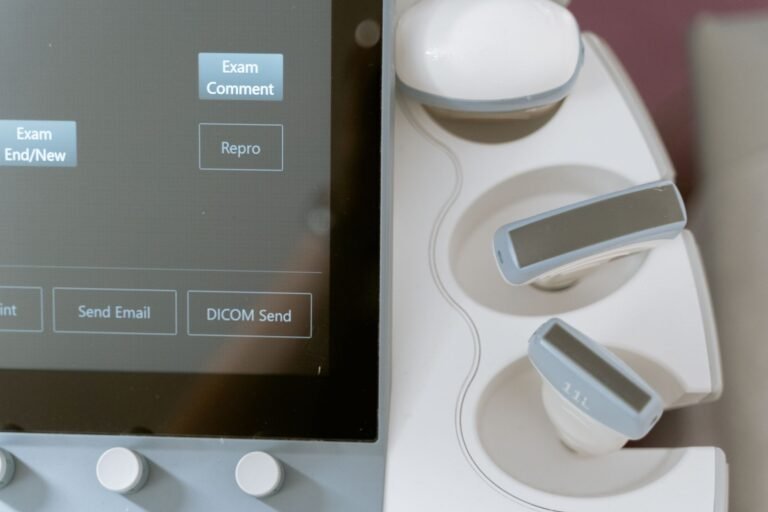
Why a Unified Hospital Management Platform Matters for Lab Operations
Running a modern hospital means juggling patient care, administrative tasks, and a growing volume of laboratory work. When the lab operates as a separate island, data entry errors, delayed test results, and duplicated effort become routine. A unified hospital management platform brings the entire workflow under one digital roof, allowing clinicians, administrators, and lab technicians to see the same real‑time information. The result is faster turnaround times, higher accuracy, and a smoother experience for patients and staff alike.
Key Pain Points in Traditional Lab Workflows
- Manual sample tracking that leads to misplaced specimens.
- Separate billing systems that cause mismatched invoices.
- Fragmented reporting tools that require staff to copy data between spreadsheets.
- Limited visibility into test backlogs, making it hard to prioritize urgent cases.
- Compliance bottlenecks because audit trails are scattered across multiple applications.
Each of these issues adds hidden costs and can erode trust in the healthcare provider. Addressing them starts with a single, integrated solution.
How Hospital Management Software Integrates Lab Functions
When a hospital management software includes a robust lab management system, the laboratory becomes a natural extension of the patient journey. Here’s how integration works in practice:
- Sample Registration at the Front Desk: When a clinician orders a test, the order is automatically logged in the LIMS (Laboratory Information Management System) module. Barcoded labels are printed on the spot, eliminating manual transcription.
- Real‑Time Status Updates: Technicians update sample status directly in the system. The front‑office and physicians can see whether a sample is “received,” “in analysis,” or “ready for review” without leaving their dashboard.
- Automated Billing: Once a result is validated, the associated charge is posted to the patient’s account, syncing instantly with the hospital’s finance module.
- Unified Reporting: Results flow into the electronic health record (EHR) component of the platform, allowing doctors to view lab data alongside imaging, prescriptions, and notes.
- Compliance and Auditing: Every action—who opened a sample, who verified a result, when a report was printed—is captured in an immutable audit log, simplifying regulatory reviews.
Core Features to Look for in a Lab Management System
Not every lab module is created equal. When evaluating a lab management system, focus on these capabilities:
- Sample Lifecycle Management: End‑to‑end tracking from collection to disposal, with barcode or RFID support.
- Result Validation Workflow: Multi‑level review steps that prevent accidental release of unverified data.
- Instrument Integration: Direct interfaces to analyzers and microscopes, reducing manual data entry.
- Customizable Test Catalog: Ability to add new assays quickly, with associated costing and turnaround time parameters.
- Analytics Dashboard: Real‑time metrics on test volume, average turnaround, and lab utilization.
- Scalable Architecture: Cloud‑based or hybrid deployment that can grow with the institution’s needs.
Practical Steps to Implement a Unified Platform
Transitioning to a single platform is a strategic project, not a quick install. Follow these steps to minimize disruption:
- Map Existing Processes: Document current workflows for sample collection, testing, reporting, and billing. Identify bottlenecks and duplicate data entry points.
- Define Success Metrics: Set measurable goals such as reducing average test turnaround by 20 percent, cutting manual entry errors by 90 percent, or improving billing accuracy to 99 percent.
- Choose a Vendor with Proven Integration: Look for a provider that has experience linking the LIMS module to popular EHR and finance systems. Owdoz, for example, offers a modular architecture that can be tailored to specific lab requirements.
- Pilot the System in One Department: Start with a high‑volume area like chemistry or hematology. Gather feedback, adjust configuration, and refine training materials.
- Train Staff Early and Continuously: Conduct role‑based workshops, create quick‑reference guides, and schedule refresher sessions after the go‑live date.
- Monitor and Optimize: Use the built‑in analytics to compare actual performance against the success metrics. Make iterative improvements to routing rules or staffing schedules.
Real‑World Impact: Sample ROI Calculation
Consider a medium‑size laboratory processing 150 tests per day. Manual entry costs average $0.30 per test, while automated entry reduces that to $0.05. Over a year, the labor saving alone is:
(150 tests × 365 days) × ($0.30 – $0.05) = 54,750 tests × $0.25 = $13,687.50.
When you add faster turnaround (which can increase test volume by 10 percent) and fewer billing disputes (saving another $5,000‑$8,000), the total annual benefit easily exceeds $25,000. For many organizations, the initial software licensing and implementation cost ranges from $15,000 to $30,000, making the payback period under two years.
Why Choose Owdoz for Your Unified Solution
Owdoz specializes in building scalable IT solutions for businesses that need reliability without excess complexity. Their hospital management software includes a fully integrated lab management system that adheres to LIMS best practices, yet remains flexible enough to adapt to unique testing protocols. With a dedicated support team and a track record of successful deployments across diverse healthcare settings, Owdoz can help you achieve the efficiency gains outlined above.
Take the Next Step Toward a Faster, Safer Lab
Ready to turn fragmented lab processes into a seamless, data‑driven operation? Contact Owdoz today to discuss how a unified hospital management platform can be customized for your organization’s specific needs. Visit our contact page to start the conversation and schedule a free workflow assessment.