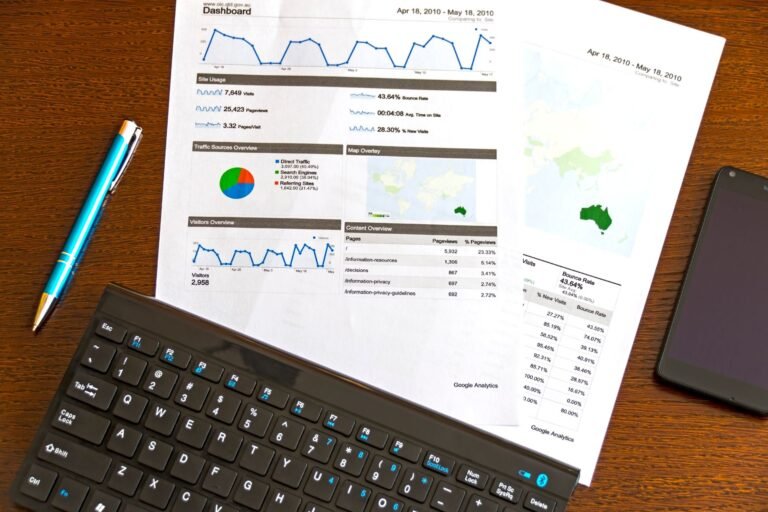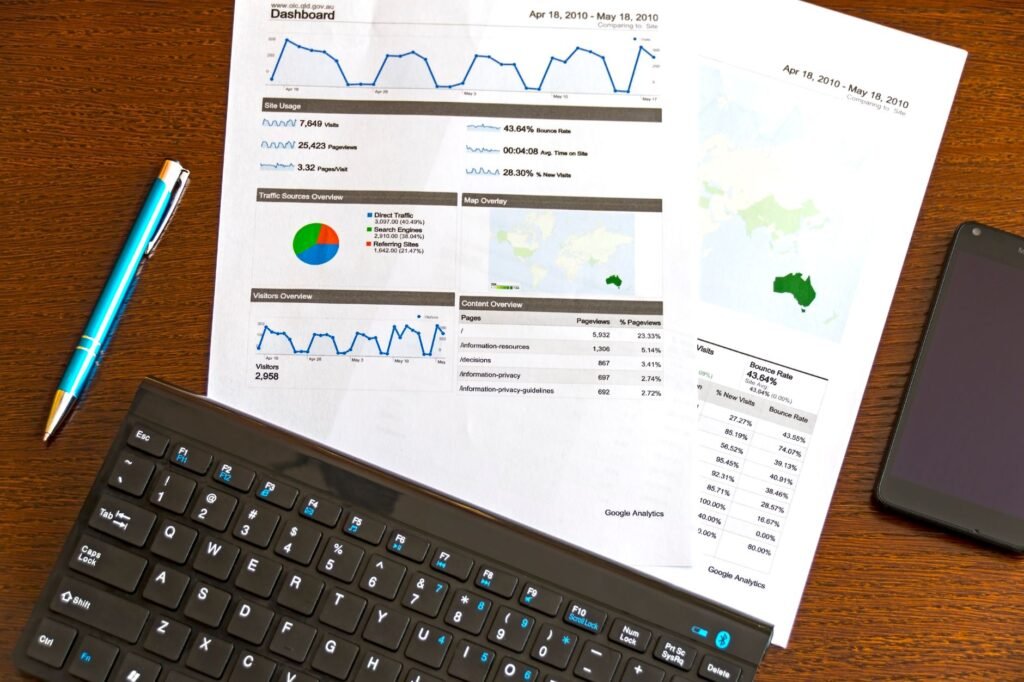
Why Real‑Time ROI Measurement Matters for Your Marketing Stack
When you’re allocating budget across content marketing, SEO and paid social, the biggest fear is spending without knowing the return. Traditional reporting cycles—monthly or quarterly—can hide trends, delay course corrections, and ultimately waste resources. Real‑time ROI measurement gives you the agility to pivot campaigns, double‑down on what works, and keep stakeholders confident in every dollar you invest.
Setting the Foundation: Unified Tracking and Attribution
Before you can measure anything, you need a single source of truth. Here’s a quick checklist to get you there:
- Implement a universal UTM tagging strategy for every piece of content, SEO landing page, and paid social ad.
- Use a tag manager (e.g., Google Tag Manager) to fire events consistently across your site.
- Choose a centralized analytics platform—Google Analytics 4, Adobe Analytics, or a BI tool like Looker—to aggregate data.
- Define conversion actions that matter to your business: lead form submissions, demo requests, product purchases, or subscription sign‑ups.
With these basics in place, you can start pulling the numbers that matter in real time.
Measuring Content Marketing ROI in Real Time
Key Metrics to Track
- Engagement Score: Combine page views, average time on page, scroll depth, and social shares into a single score.
- Lead Velocity: Count how many qualified leads each piece of content generates within the first 48‑72 hours of publication.
- Customer Acquisition Cost (CAC) per Content Piece: Divide the total cost of creation (including writer fees, design, and promotion) by the number of new customers attributed to that piece.
Real‑Time Tools & Techniques
Use a content performance dashboard that pulls data from your CMS, analytics, and CRM. Platforms like HubSpot or Contentful can push metrics to a custom Google Data Studio report, refreshing every 15 minutes. Set up alerts for spikes in bounce rate or sudden drops in conversion—these are early warning signs that a piece isn’t resonating.
Practical Example
Suppose you publish a guide on “Optimising Remote Workflows.” Within the first 24 hours you see:
- 2,500 page views
- 150 form submissions (30% conversion from view to lead)
- 5 new customers signed up the following week
If the guide cost $800 to produce and $200 in promotion, the CAC is $200 / 5 = $40 per new customer. Compare that to your average CAC of $120 and you’ve instantly identified a high‑performing asset.
Measuring SEO ROI in Real Time
Critical Real‑Time Indicators
- Keyword Ranking Changes: Use tools like Ahrefs or SEMrush API to monitor rank fluctuations hourly.
- Organic Traffic Velocity: Track sessions from organic search as they happen; a sudden dip may indicate a crawl issue.
- Conversion Funnel Health: Map organic sessions to downstream conversions in your analytics platform.
Attribution Model That Works
Adopt a data‑driven attribution model that gives credit to the first organic touchpoint. In GA4, enable “User‑ID” tracking so you can see how many first‑time visitors from organic search become paying customers within a 30‑day window. This provides a more accurate ROI figure than last‑click models.
Real‑Time Dashboard Tips
Combine Google Search Console data (impressions, clicks, average position) with your analytics platform via the Search Console API. A live dashboard can show you:
- Top landing pages gaining visibility
- CTR trends for high‑value keywords
- Revenue generated per keyword in the last 24 hours
When a page’s CTR drops 15% overnight, you can quickly revise the meta title or add structured data to recover lost clicks.
Measuring Paid Social ROI in Real Time
Core Metrics to Watch
- Cost‑Per‑Lead (CPL): Total ad spend divided by the number of leads generated.
- Return‑On‑Ad‑Spend (ROAS): Revenue attributed to the campaign divided by the ad spend.
- Frequency & Relevance Score: High frequency with low relevance can inflate costs without improving conversions.
Real‑Time Reporting Setup
Most ad platforms (Meta, LinkedIn, Twitter) offer webhook integrations that push spend and conversion events to a data warehouse. Connect these webhooks to a BI tool like Power BI or Tableau, and set the refresh interval to 5 minutes. This way you can see, for example, that a $500 LinkedIn lead‑gen campaign is delivering 12 qualified leads at a CPL of $41.67—well within a typical $50‑$70 target range.
Optimisation in the Moment
When ROAS falls below a predefined threshold (e.g., 3:1), automate a rule to pause the under‑performing ad set and reallocate budget to the top‑performing audience segment. Real‑time alerts prevent waste before the daily budget cap is reached.
Integrating the Three Channels: A Unified ROI Dashboard
To truly understand the combined impact of content marketing, SEO and paid social, bring the data into a single view:
- Use a data connector (Supermetrics, Funnel.io) to pull UTM‑tagged conversions into a Google Sheet or BigQuery table.
- Apply a weighted attribution model that assigns 40% credit to the first organic touch, 30% to the content piece that nurtured the lead, and 30% to the paid social ad that closed the sale.
- Visualise the blended ROI with a KPI card that updates every 15 minutes, showing total spend, total revenue, and overall ROAS.
This holistic view helps you answer questions like: “If I double my content budget, how will that affect my paid social spend and overall profitability?”
Common Pitfalls and How to Avoid Them
- Ignoring Attribution Lag: Some conversions happen days after the first touch. Set a conversion window of at least 30 days for accurate ROI.
- Over‑Segmenting Data: Too many granular segments can hide the bigger picture. Group similar keywords or audience interests to keep the dashboard readable.
- Relying Solely on Vanity Metrics: Page views and likes are nice, but they don’t translate to revenue. Tie every metric back to a monetary outcome.
How Owdoz Can Accelerate Your Real‑Time ROI Journey
Owdoz specialises in building custom analytics pipelines for small and medium businesses. Whether you need a bespoke dashboard that stitches together Google Analytics, Search Console, and ad platform data, or you want a managed service that continuously optimises your content, SEO and paid social spend, their team of senior developers can deliver a