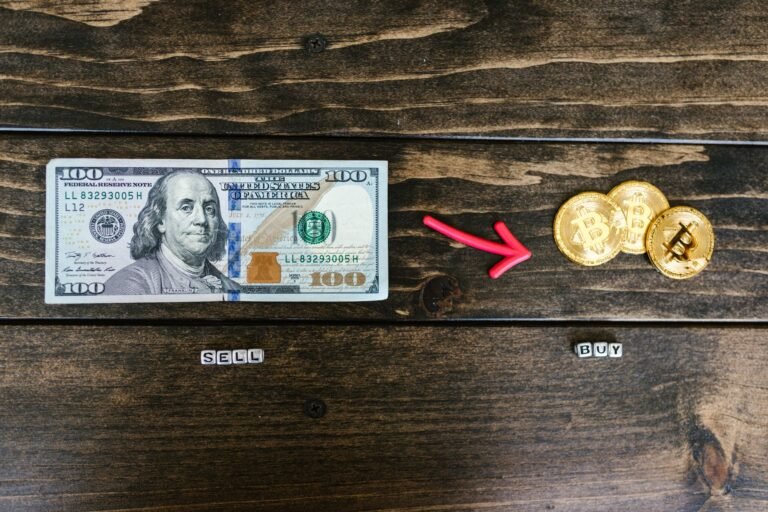

Understanding Why a Scalable NFT Marketplace Matters for Your Brand
Non‑fungible tokens (NFT) have moved beyond digital art and collectibles. They are now a powerful tool for brands that want to deepen customer loyalty, reward community members, and create new revenue streams. A well‑designed marketplace lets you mint, sell, and trade NFTs while keeping the experience smooth as your user base grows. For small and medium businesses, the challenge is to build a platform that can handle spikes in traffic without compromising speed or security.
Key Foundations of Marketplace Development
Before writing a single line of code, map out the core components that will support your NFT ecosystem. These building blocks will influence everything from development time to long‑term maintenance.
- Front‑end interface: Responsive design, clear navigation, and wallet integration are essential for brand engagement.
- Back‑end services: APIs for user profiles, transaction history, and analytics.
- Blockchain layer: Choice of network, smart contract standards, and gas‑optimization strategies.
- Storage solution: Decentralized file storage for token metadata, typically using IPFS or similar.
- Scalability tools: Load balancers, caching, and off‑chain indexing services.
Choosing the Right Blockchain for Your Goals
Not every blockchain is created equal. When you prioritize brand engagement, look for networks that balance low transaction costs with strong community support. Public chains such as Ethereum, Polygon, and Solana each have trade‑offs. Ethereum offers wide adoption and robust tooling, but gas fees can be high during peak periods. Polygon provides an Ethereum‑compatible environment with much lower fees, making it attractive for frequent micro‑transactions. Solana delivers high throughput, which is useful for large‑scale drops.
Run a pilot on a testnet first. Measure transaction latency, fee structure, and developer ecosystem health. The data will guide you toward a mainnet that aligns with your budget and performance expectations.
Smart Contract Design That Scales
Smart contracts are the heart of any NFT marketplace. To keep them scalable, follow these best practices:
- Implement the ERC‑721 or ERC‑1155 standard (or their equivalents on other chains) to ensure compatibility with wallets and marketplaces.
- Separate minting logic from marketplace logic. This modular approach lets you upgrade one part without affecting the other.
- Use batch minting and batch transfers where possible to reduce the number of on‑chain calls.
- Incorporate role‑based access control so that only authorized users can list or delist items.
- Integrate a pause function to protect the platform in case of an emergency.
Testing is critical. Deploy contracts on a testnet, run automated unit tests, and conduct a security audit before moving to production.
Crafting a User‑Centric Front End
Brand engagement thrives on frictionless experiences. Here are concrete steps to make your marketplace inviting:
- Support multiple wallets (MetaMask, WalletConnect, Coinbase Wallet) with clear onboarding prompts.
- Show real‑time price updates and gas estimates so users can make informed decisions.
- Provide a “favorites” or “watchlist” feature that lets collectors track upcoming drops.
- Include social sharing buttons directly on NFT detail pages to amplify reach.
- Offer a mobile‑first design, because many collectors browse and purchase on smartphones.
Scaling Strategies for Growing Traffic
Even a well‑coded marketplace can choke under heavy load if the infrastructure is not prepared. Consider these techniques:
- Horizontal scaling: Deploy multiple application server instances behind a load balancer. Cloud providers let you add capacity automatically based on CPU or request metrics.
- Caching layers: Use Redis or similar in‑memory stores for frequently accessed data such as NFT metadata, user balances, and marketplace listings.
- Off‑chain indexing: Services like The Graph or custom Elasticsearch pipelines keep a searchable copy of blockchain events, reducing the need for on‑chain queries.
- Content Delivery Network (CDN): Serve static assets, images, and JavaScript files from edge locations to minimize latency worldwide.
- Queue systems: For actions that can be processed asynchronously (e.g., email notifications, analytics logging), use message queues like RabbitMQ or Amazon SQS.
Security and Compliance Without Compromise
Security breaches damage brand reputation faster than any technical glitch. Implement these safeguards from day one:
- Conduct a third‑party smart contract audit. Expect costs in the range of $5,000 – $15,000 USD for a thorough review.
- Enable multi‑factor authentication for admin accounts and enforce strong password policies.
- Rate‑limit API endpoints to prevent denial‑of‑service attacks.
- Monitor blockchain activity with real‑time alerts for unusual token transfers or contract interactions.
- Maintain regular backups of off‑chain data and store them in geographically separate locations.
Monetization Models That Drive Brand Engagement
Choosing the right revenue model can turn a marketplace into a brand‑building engine. Here are three proven approaches:
- Commission on sales: Charge a modest percentage (typically 2 % – 5 % USD) on each transaction. Keep the fee transparent to maintain trust.
- Listing fees: For high‑value or limited‑edition drops, a small upfront fee can filter serious sellers and generate early revenue.
- Subscription tiers: Offer premium features such as early access, analytics dashboards, or custom branding for a monthly fee.
Combine these models to suit different user segments and keep the platform financially sustainable.
Measuring Brand Engagement After Launch
Data is the compass that tells you whether your marketplace is strengthening brand loyalty. Track these key metrics:
- Number of unique wallets that have interacted with the platform.
- Average time spent on NFT detail pages.
- Social shares per NFT (tweets, retweets, reposts).
- Repeat purchase rate – how often collectors come back for another drop.
- Referral conversion – users who join via a shared link.
Integrate analytics tools that respect user privacy, and generate weekly reports that tie these numbers back to your broader marketing goals.
Why Partner with Owdoz for Your NFT Marketplace Project
Owdoz specializes in end‑to‑end marketplace development for businesses that need a reliable, scalable solution without the overhead of a large in‑house team. Their expertise spans smart contract engineering, cloud architecture, and UI/UX design tailored to brand storytelling. By collaborating with Owdoz, you gain access to a proven development process, rigorous security practices, and ongoing support that keeps your marketplace performant as it grows.
Ready to Turn NFTs Into a Brand‑Building Engine?
If you’re prepared to launch a marketplace that boosts brand engagement and scales with demand, let’s start the conversation. Reach out to Owdoz today and explore how their expertise can turn your NFT vision into a live platform. Contact us now to discuss your project requirements and receive a customized estimate.